
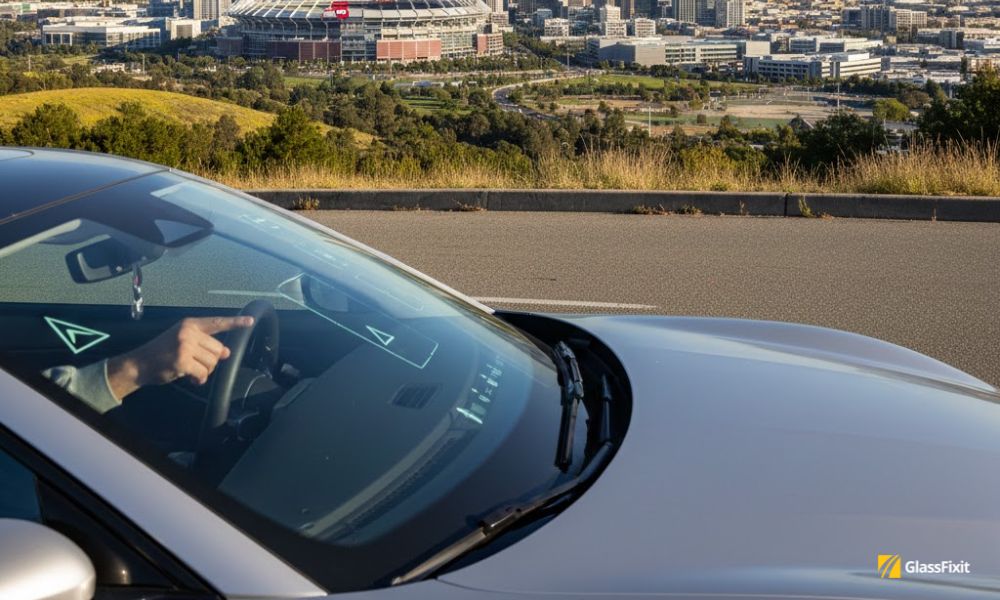
This article makes a clear and critical argument: repairing a HUD windshield is a specialized field that demands expert knowledge, precision tools, and techniques that go far beyond traditional auto...
The Strategic Advantage of Acoustic Windshield Technology in Modern Vehicle Fleets
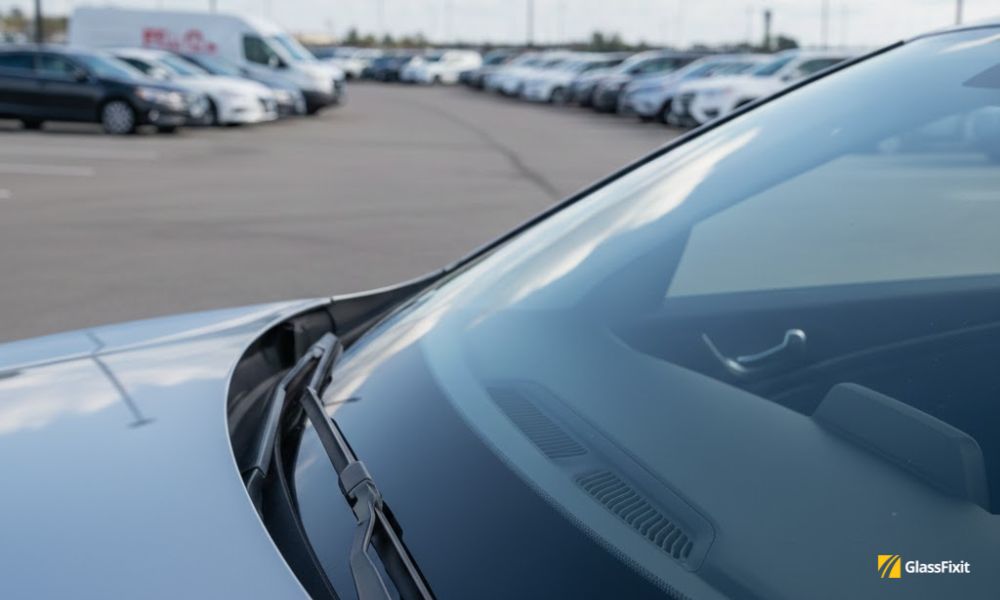
The modern vehicle cabin is far more than a simple passenger space; it is a critical operational environment where focus and clarity are paramount. For commercial and luxury fleets, minimizing external distractions such as noise and vibration is a strategic priority.
These factors directly impact driver performance, contribute to fatigue, and can compromise safety. A serene in-cabin atmosphere is not a luxury—it is a fundamental component of operational excellence.
To address these challenges, a key technological advancement has emerged: the acoustic windshield. This innovative glass solution is engineered specifically to insulate the cabin from the chaos of the outside world.
The purpose of this article is to provide a detailed examination of acoustic windshield technology, covering its technical composition, core operational benefits, and significant safety implications for modern vehicle fleets. This analysis will demonstrate why adopting this technology represents a tangible upgrade in performance and driver well-being. We will begin by exploring the unique scientific underpinnings that make this technology so effective.
The Science of Sound Dampening: A Technical Overview of Acoustic Windshields
To fully appreciate the value of an acoustic windshield, it is essential to understand the underlying materials science and engineering that define its performance. The superior benefits of this technology are a direct result of its specific design and composition, which is fundamentally different from that of a standard windshield.
An acoustic windshield features a unique multi-layer construction. It consists of two panels of glass that are carefully bonded together by sandwiching a specialized polyvinyl butyral (PVB) layer between them. This inner layer is the key to its advanced capabilities.
This multi-layer structure is specifically engineered to block external noises and minimize the intrusion of mechanical vibrations. The specialized PVB material has high-dampening properties that target and absorb sound waves, particularly in the high-frequency ranges that contribute most to cabin noise.
This composition effectively creates a noise-insulated environment within the vehicle’s interior. This technical foundation is directly responsible for the tangible benefits it delivers to drivers, passengers, and fleet operators.
Core Operational Advantages of Acoustic Windshield Integration
The value of integrating acoustic windshields into a vehicle fleet extends far beyond simple comfort. The technology directly impacts key performance indicators for fleet management, including driver safety, focus, and overall well-being. By creating a controlled and quiet cabin environment, these windshields deliver measurable operational advantages.
Significant Noise Reduction
The most significant benefit of acoustic windshields is their impressive noise-reducing capability. The technology is designed to prevent outside noise from entering the vehicle cabin, creating a serene and relaxed environment for the driver and passengers.
This function provides a “respite from the hustle and bustle of daily life,” transforming the driving experience from a stressful task into a calmer, more controlled activity. This reduction in ambient noise is the foundation for the technology’s other core benefits.
Enhanced Driver Focus and Safety
The safety implications of a quieter cabin are direct and substantial. By blocking excessive noise, acoustic windshields help the driver maintain focus on the road ahead.
This reduction in auditory distractions minimizes driver fatigue and keeps the mind at ease, which makes a significant difference in the driving experience, particularly on long journeys. Fewer distractions guarantee a safer drive, as a more focused and less fatigued driver is better equipped to respond to changing road conditions.
Increased Driver and Passenger Comfort
Acoustic windshields fundamentally improve the in-cabin experience for everyone. The reduction in noise and distractions allows for a more relaxing journey for both the driver and any passengers.
This enhanced comfort is particularly noticeable on long drives, where sustained exposure to road and wind noise can be draining. With an acoustic windshield, passengers are more comfortable and can enjoy their time together, making the trip more enjoyable.
This elevated level of comfort contributes to greater overall satisfaction and well-being. Having established these individual benefits, a direct comparison against the industry standard for windshields will further clarify the technology’s superior value.
Comparative Analysis: Acoustic vs. Standard Windshield Technology
To quantify the advantages of upgrading from standard equipment, a direct comparison is necessary. This section provides a clear evaluation of acoustic windshields against their regular counterparts across key performance metrics, illustrating the distinct performance gap between the two technologies.
Parameter | Acoustic Windshields | Regular Windshields |
Noise Reduction | Acoustic windshields significantly reduce the noise level inside the car cabin. | Regular windshields also contribute to noise reduction, but they are not as effective. |
Ride Comfort | The high-dampening material inside the acoustic glass blocks high-frequency sound waves, which in turn offer a smooth ride. | These windshields offer standard comfort. |
Safety | Fewer distractions help improve focus and reduce driver fatigue, guaranteeing a safer drive. | Regular car windshield glass meets basic safety standards, so it might not do as much to keep you safe from noise-related distractions. |
Vibrations | Along with blocking sound waves, acoustic windshields also minimize mechanical vibrations. | Regular windshields may allow vibrations to enter, making your travelling/driving experience less comfortable. |
The key takeaway from this comparison is clear. While regular windshields meet basic safety and performance standards, acoustic technology offers a substantial and measurable upgrade in every critical category.
This advancement in performance, safety, and comfort establishes a new benchmark for in-vehicle environments and serves as a foundation for even more advanced solutions.
Advanced Solutions: The Next Generation of Acoustic Glass
Acoustic windshield technology is not a static innovation; it serves as a platform for further advancements in automotive glass, enabling the integration of multiple high-value features into a single solution. This evolution combines superior sound dampening with other valuable properties to create a truly next-generation driving experience.
It not only blocks noise and minimizes vibrations but is also engineered to block the sun’s heat. The result is an in-cabin environment that is both cooler and quieter, offering a complete solution for driver comfort.
This technology is a “total game-changer,” particularly during summer conditions where solar heat gain can significantly impact the driving experience. This futuristic acoustic glass is currently available for certain select vehicle models, representing the leading edge of windshield technology.
This evolution from a single-benefit solution to an integrated comfort platform underscores the technology’s growing importance as a strategic component in vehicle design.
A Strategic Imperative for Modern Fleets
Upgrading a vehicle with an acoustic windshield is a significant enhancement that moves beyond minor improvements. This technology fundamentally transforms the vehicle into a “peaceful oasis,” creating a more controlled and pleasant operational environment.
The core advantages are undeniable: a quieter, smoother, and more enjoyable ride that directly contributes to a more comfortable and, most importantly, a safer driving experience.
For fleet managers and operators, the conclusion is clear. The adoption of acoustic windshield technology is not merely a luxury upgrade; it is a strategic investment in the foundational elements of operational success.
By prioritizing a quieter and less distracting cabin, fleets invest directly in driver safety, well-being, and peak performance. In the context of modern vehicle operations, embracing this technology is an imperative for achieving operational excellence.
📍 Location:
Santa Clara Office: 1250 Norman Ave, Santa Clara CA 95054
📞 Phone: +1 408-564-0419
🕒 Hours: Monday to Friday- 8am to 5pm | Saturday & Sunday- Closed
Popular Searches
Audi Windshield Replacement in Santa Clara County
Auto Car Window Tinting in Santa Clara County
Auto Glass Repair and Replacement in Santa Clara County
Auto Glass Repair in Santa Clara County
BMW Windshield Chip Repair in Santa Clara County
BMW Windshield Repair and Replacement Services in Santa Clara County
Car Window Repair in santa clara
Car Window Repair in Santa Clara County
Commercial truck windshield replacement
Dodge Windshield Repair and Replacement Services in Santa Clara County
Dodge Windshield Replacement in Santa Clara County
Glass repairs for cars near me
Honda pilot windshield replacement cost
Honda Windshield Repair and Replacement Services in Santa Clara County
Honda Windshield Replacement in Santa Clara County
Hyundai Tucson windshield replacement
Hyundai Windshield Repair and Replacement Services in Santa Clara County
Hyundai Windshield Replacement in Santa Clara County
Jeep Windshield Repair and Replacement Services in Santa Clara County
Jeep Wrangler Windshield Replacement in Santa Clara County
Kia Windshield Repair and Replacement Services in Santa Clara County
Kia Windshield Replacement in Santa Clara County
Mobile Auto Glass in Santa Clara County
Mobile Auto Glass Repair in Santa Clara County
Mobile glass replacement near me
Same day windshield repair near me
Toyota Camry side mirror glass replacement
Windshield Calibration in Santa Clara County
Windshield Chip Repair in Santa Clara County
Windshield chip repair near me
Windshield Repair and Replacement Services in Santa Clara County
Windshield Repair and Replacement Services Near Me
Windshield Repair in Santa Clara County
Windshield repair service near me
Windshield Replacement Near Me
Windshield Replacement Services in Santa Clara County
Read more Articles

Don’t Compromise on Safety: Debunking 5 Common Myths About Windshield Replacement
In a rollover accident, the windshield supplies up to 60% of the cabin's structural integrity, making its condition a non-negotiable aspect of vehicle safety. This guide addresses and debunks common...
Beyond the Windshield: Why Your Side Windows Are Critical for Vehicle Safety
The side windows of your vehicle are far more than just panes of glass; they are essential components of your car’s safety system. As automotive safety specialists, we want to...